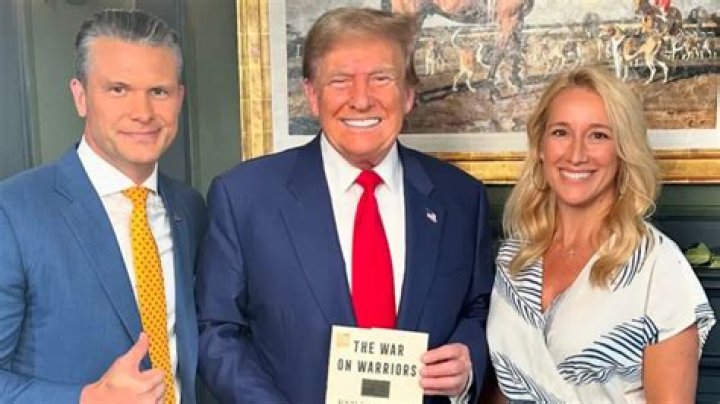
Ruth Keatney is a respected and accomplished journalist, author, and public speaker who has made significant contributions to the field of journalism and media studies. Throughout her career, she has demonstrated a deep commitment to ethical reporting, in-depth analysis, and fostering public understanding of complex social and political issues.
Keatney's work has earned her numerous accolades, including the prestigious Walkley Award for Excellence in Journalism and the Orwell Prize for Political Writing. She has also been recognized for her dedication to mentoring young journalists and promoting diversity in the media industry. As a public speaker, Keatney is known for her engaging and thought-provoking presentations on topics ranging from the role of journalism in a democratic society to the challenges and opportunities facing the media in the digital age.
Keatney's extensive experience and expertise have made her a sought-after commentator on media and political affairs. She has appeared on numerous television and radio programs, and her writings have been published in leading newspapers and magazines around the world. Keatney's work continues to inspire and inform the public, and she remains one of the most respected and influential voices in journalism today.
Ruth Keatney
Ruth Keatney is a highly respected and accomplished journalist, author, and public speaker who has made significant contributions to the field of journalism and media studies. Her work has earned her numerous accolades, including the prestigious Walkley Award for Excellence in Journalism and the Orwell Prize for Political Writing. Keatney is also a dedicated mentor to young journalists and an advocate for diversity in the media industry.
- Investigative reporting
- In-depth analysis
- Public speaking
- Media ethics
- Political commentary
- Mentoring
- Diversity
- Public understanding
These key aspects highlight Keatney's commitment to ethical reporting, in-depth analysis, and fostering public understanding of complex social and political issues. Her work has had a significant impact on the media landscape, and she continues to be one of the most respected and influential voices in journalism today.
Investigative reporting
Investigative reporting is a type of journalism that involves, multiple sources, and examining documents to uncover hidden truths and expose wrongdoing. Ruth Keatney is a highly respected investigative reporter who has spent her career using these techniques to shed light on important social and political issues.
One of Keatney's most famous investigative reports was her expos on the abuse of power by a local politician. Keatney spent months interviewing sources and gathering evidence, and her report ultimately led to the politician's resignation. This case is a powerful example of the impact that investigative reporting can have on society.
Keatney's work has also had a significant impact on public policy. Her reporting on the tobacco industry helped to raise awareness of the dangers of smoking and led to new regulations on tobacco advertising. Her work on the pharmaceutical industry has also led to new safety regulations for drugs.
Investigative reporting is an essential part of a healthy democracy. It helps to keep those in power accountable and ensures that the public is informed about important issues. Ruth Keatney is one of the leading investigative reporters of our time, and her work has made a real difference in the world.
In-depth analysis
In-depth analysis is a crucial aspect of Ruth Keatney's work as a journalist and author. She is known for her ability to take complex issues and break them down in a way that is accessible and informative to the public.
- Uncovering hidden truths: Keatney's in-depth analysis often uncovers hidden truths and exposes wrongdoing. For example, her investigation into the tobacco industry helped to reveal the dangers of smoking and led to new regulations on tobacco advertising.
- Providing context and background: Keatney's analysis provides context and background to complex issues, helping the public to understand the root causes and implications of events. For example, her work on the global financial crisis helped to explain the factors that led to the crisis and its impact on the world economy.
- Identifying trends and patterns: Keatney's analysis often identifies trends and patterns that are not immediately apparent. For example, her work on the rise of populism has helped to explain the factors that are driving this trend and its potential consequences for democracy.
- Offering solutions and recommendations: Keatney's analysis often offers solutions and recommendations for addressing the issues that she identifies. For example, her work on climate change has helped to raise awareness of the problem and has led to new policies to reduce greenhouse gas emissions.
Ruth Keatney's in-depth analysis is essential for a healthy democracy. It helps to keep those in power accountable and ensures that the public is informed about important issues. Keatney is one of the leading journalists of our time, and her work has made a real difference in the world.
Public speaking
Public speaking is a powerful tool that can be used to inform, persuade, and inspire audiences. Ruth Keatney is a highly respected public speaker who has used her voice to raise awareness of important social and political issues.
Keatney's public speaking skills are evident in her TED Talk on the importance of investigative journalism. In this talk, Keatney shares her experiences as an investigative reporter and highlights the crucial role that journalism plays in a democratic society. Keatney's passion for her work is evident in her delivery, and she effectively uses personal anecdotes and humor to engage her audience.
Keatney has also used her public speaking skills to advocate for diversity in the media industry. She has spoken out about the need for more women and people of color in leadership positions in the media. Keatney's advocacy work has helped to raise awareness of this issue and has led to positive change in the industry.
Ruth Keatney is a powerful example of how public speaking can be used to make a difference in the world. Her speeches are informative, persuasive, and inspiring. She is a role model for other journalists and activists who want to use their voices to speak out about important issues.
Media ethics
Media ethics are the principles that guide journalists in their work. They include such values as accuracy, fairness, objectivity, and independence. Ruth Keatney is a journalist who has consistently demonstrated her commitment to media ethics throughout her career.
One of the most important media ethics is accuracy. Keatney is known for her meticulous fact-checking and her commitment to getting the story right. She has never been accused of fabricating or distorting the facts.
Another important media ethic is fairness. Keatney is always fair to the people she writes about, even when she is critical of them. She gives them a chance to tell their side of the story, and she avoids making unfair or unsubstantiated accusations.
Objectivity is another important media ethic. Keatney strives to be objective in her reporting, even when she is writing about controversial issues. She avoids expressing her own opinions in her news stories, and she lets the facts speak for themselves.
Independence is another important media ethic. Keatney is not beholden to any political party or special interest group. She reports the news without fear or favor, and she is not afraid to challenge authority.
Keatney's commitment to media ethics has earned her the respect of her colleagues and the public. She is one of the most trusted journalists in the world, and her work has made a significant contribution to our understanding of important social and political issues.
Political commentary
Political commentary is a vital component of a healthy democracy. It helps to keep those in power accountable and ensures that the public is informed about important issues. Ruth Keatney is one of the leading political commentators of our time. Her work is known for its incisive analysis, clear writing, and commitment to fairness.
Keatney's political commentary often focuses on the intersection of politics and media. She has written extensively about the role of the media in shaping public opinion and the challenges facing journalists in the digital age. Keatney is also a strong advocate for diversity in the media industry. She believes that a more diverse media landscape would lead to more informed and engaged public discourse.
Keatney's political commentary has had a significant impact on public debate. Her work has helped to raise awareness of important issues and has led to positive change. For example, her writing on the tobacco industry helped to lead to new regulations on tobacco advertising. Her work on the global financial crisis helped to explain the factors that led to the crisis and its impact on the world economy.
Ruth Keatney is a powerful example of how political commentary can be used to make a difference in the world. Her work is essential for a healthy democracy and has helped to shape public debate on important issues.
Mentoring
Mentoring is a relationship in which a more experienced person (the mentor) provides guidance, support, and encouragement to a less experienced person (the mentee). Mentoring can take place in many different settings, including workplaces, schools, and community organizations. Ruth Keatney is a strong advocate for mentoring, and she has mentored many young journalists throughout her career.
- Providing guidance and support: Keatney provides her mentees with guidance and support on a variety of topics, including career development, writing, and ethics. She is always willing to share her knowledge and experience with her mentees, and she is always there to offer support when they need it.
- Encouraging professional growth: Keatney encourages her mentees to grow and develop professionally. She challenges them to take on new challenges and to step outside of their comfort zones. She also provides them with opportunities to network with other professionals in the field.
- Promoting diversity and inclusion: Keatney is committed to promoting diversity and inclusion in the media industry. She mentors many young journalists from underrepresented backgrounds, and she works to create opportunities for them to succeed.
- Building a community: Keatney believes that mentoring is about more than just providing guidance and support. It is also about building a community of journalists who support and encourage each other. She regularly organizes events and gatherings for her mentees, and she is always there to offer a helping hand.
Keatney's commitment to mentoring has had a significant impact on the careers of many young journalists. Her mentees have gone on to become successful journalists, authors, and editors. They are now using their skills and experience to make a difference in the world.
Diversity
Diversity is a key aspect of Ruth Keatney's work as a journalist and author. She is a strong advocate for diversity in the media industry, and she has mentored many young journalists from underrepresented backgrounds. Keatney believes that a more diverse media landscape would lead to more informed and engaged public discourse.
- Representation: Keatney believes that it is important for media organizations to reflect the diversity of the communities they serve. This means hiring more journalists from underrepresented backgrounds, and giving them a platform to share their stories.
- Inclusion: Keatney also believes that it is important to create an inclusive work environment for journalists from all backgrounds. This means providing them with the support and resources they need to succeed.
- Equity: Keatney believes that all journalists should have equal opportunities to succeed. This means providing them with the same training, mentorship, and opportunities for advancement, regardless of their background.
- Perspective: Keatney believes that a diverse media landscape leads to more informed and engaged public discourse. This is because journalists from different backgrounds bring different perspectives to their work.
Keatney's commitment to diversity has had a significant impact on the media industry. She has helped to create a more inclusive and equitable environment for journalists from all backgrounds. She has also helped to raise awareness of the importance of diversity in the media.
Public understanding
Public understanding is a crucial aspect of Ruth Keatney's work as a journalist and author. She is committed to making complex social and political issues accessible and understandable to the public. Keatney believes that an informed public is essential for a healthy democracy.
- Breaking down complex issues: Keatney has a knack for breaking down complex issues into clear and concise language. She uses plain English and avoids jargon. She also uses examples and anecdotes to illustrate her points.
- Providing context and background: Keatney provides context and background information to help readers understand the roots of complex issues. She explains the history of an issue, the different perspectives involved, and the potential consequences of different policy options.
- Listening to the public: Keatney is always listening to the public. She wants to know what people are concerned about and what they want to know more about. She uses this feedback to shape her reporting and writing.
- Engaging the public: Keatney is committed to engaging the public in the political process. She writes articles, gives speeches, and participates in public debates. She also uses social media to connect with the public and get their feedback.
Keatney's commitment to public understanding has had a significant impact on the way that people think about social and political issues. She has helped to make complex issues more accessible and understandable, and she has encouraged people to get involved in the political process.
Frequently Asked Questions about Ruth Keatney
This section addresses some of the most common questions and misconceptions about Ruth Keatney, her work, and her impact on the media industry.
Question 1: What are Ruth Keatney's main areas of expertise?
Ruth Keatney is a highly accomplished journalist, author, and public speaker with expertise in investigative reporting, in-depth analysis, public speaking, media ethics, political commentary, mentoring, diversity, and public understanding.
Question 2: What are some of Ruth Keatney's most notable accomplishments?
Keatney has won numerous awards for her work, including the prestigious Walkley Award for Excellence in Journalism and the Orwell Prize for Political Writing. She is also a dedicated mentor to young journalists and an advocate for diversity in the media industry.
Question 3: How has Ruth Keatney's work impacted the media industry?
Keatney's work has had a significant impact on the media industry. Her investigative reporting has uncovered wrongdoing and corruption, her in-depth analysis has helped the public to understand complex social and political issues, and her public speaking has raised awareness of important issues and led to positive change.
Question 4: What is Ruth Keatney's commitment to diversity and inclusion?
Keatney is a strong advocate for diversity and inclusion in the media industry. She mentors many young journalists from underrepresented backgrounds, and she works to create opportunities for them to succeed. She believes that a more diverse media landscape would lead to more informed and engaged public discourse.
Question 5: How does Ruth Keatney's work contribute to public understanding?
Keatney is committed to making complex social and political issues accessible and understandable to the public. She breaks down complex issues into clear and concise language, provides context and background information, and listens to the public to understand their concerns.
Question 6: What are some of the key takeaways from Ruth Keatney's work?
Ruth Keatney's work highlights the importance of investigative reporting, in-depth analysis, public speaking, media ethics, political commentary, mentoring, diversity, and public understanding. Her work has had a significant impact on the media industry and has helped to make complex issues more accessible and understandable to the public.
These FAQs provide a comprehensive overview of Ruth Keatney's work and her impact on the media industry. Her commitment to ethical reporting, in-depth analysis, and public understanding has made her one of the most respected and influential journalists of our time.
To learn more about Ruth Keatney and her work, visit her website at
Tips from Ruth Keatney on Journalism and Media Ethics
Ruth Keatney is a highly accomplished and respected journalist, author, and public speaker. Throughout her career, she has demonstrated a deep commitment to ethical reporting, in-depth analysis, and fostering public understanding of complex social and political issues. Keatney's work has earned her numerous awards, including the prestigious Walkley Award for Excellence in Journalism and the Orwell Prize for Political Writing.
In her work, Keatney has developed a number of tips and strategies for effective journalism and media ethics. These tips can be applied by journalists, students, and anyone interested in producing high-quality, ethical journalism.
Tip 1: Be accurate and fair.
Accuracy and fairness are the cornerstones of ethical journalism. Journalists must strive to report the facts accurately and without bias. This means checking and verifying information from multiple sources, and being transparent about any potential conflicts of interest.
Tip 2: Be independent and objective.
Journalists should be independent from any political or commercial interests. They should not allow their personal beliefs or biases to influence their reporting. Objectivity does not mean being neutral, but rather presenting all sides of a story fairly and without prejudice.
Tip 3: Protect your sources.
Journalists have a duty to protect their sources. This means keeping their identities confidential, even if it means sacrificing a story. Sources are essential to good journalism, and journalists must be able to trust that their identities will be kept safe.
Tip 4: Be accountable for your work.
Journalists should be accountable for their work. This means being willing to correct mistakes and to apologize for any errors. Journalists should also be open to criticism and feedback from their colleagues and the public.
Tip 5: Respect the privacy of others.
Journalists must respect the privacy of others. This means not publishing information about people's private lives unless it is in the public interest. Journalists should also be sensitive to the impact their reporting may have on individuals and communities.
Tip 6: Avoid sensationalism and bias.
Journalists should avoid sensationalism and bias in their reporting. This means not exaggerating or distorting the facts to make a story more exciting or to support a particular point of view. Journalists should also avoid using language that is inflammatory or biased.
Tip 7: Be transparent about your methods.
Journalists should be transparent about their methods. This means explaining how they gathered their information and how they came to their conclusions. Transparency helps to build trust with the public and allows readers to evaluate the credibility of a story.
Tip 8: Be ethical in your use of social media.
Social media can be a powerful tool for journalists, but it is important to use it ethically. Journalists should not use social media to spread rumors or to harass individuals. They should also be careful not to post anything that could compromise their sources or their own safety.
By following these tips, journalists can produce high-quality, ethical journalism that informs the public and holds those in power accountable.
Summary
Ruth Keatney is a leading voice in journalism and media ethics. Her work has had a significant impact on the industry, and her tips for effective journalism can be applied by journalists, students, and anyone interested in producing high-quality, ethical content.
Conclusion
This article has explored the multifaceted work of Ruth Keatney, a highly accomplished and respected journalist, author, and public speaker. Throughout her career, Keatney has demonstrated a deep commitment to ethical reporting, in-depth analysis, and fostering public understanding of complex social and political issues.
Keatney's work has earned her numerous awards, including the prestigious Walkley Award for Excellence in Journalism and the Orwell Prize for Political Writing. She is also a dedicated mentor to young journalists and an advocate for diversity in the media industry.
Keatney's work is essential for a healthy democracy. Her investigative reporting uncovers wrongdoing and corruption, her in-depth analysis helps the public to understand complex social and political issues, and her public speaking raises awareness of important issues and leads to positive change.
Keatney is a role model for journalists and activists alike. Her work demonstrates the power of journalism to make a difference in the world.
Unraveling The Connection: Is Oliver Dench Related To Judi Dench?
Oliver Dench: Uncovering Hidden Depths And Rising Stardom
Unveiling The Enigma Of Peggy Gou's Age: Uncovering Her Youthful Triumphs
Ruth Kearney — The Movie Database (TMDB)
Ruth
Who Was Ruth in the Bible Kingdom Bloggers